
An Official Celebration of Abortion
To view a PDF of this document, click here.

Catholicism identifies a specific category of sin called theological scandal: leading others to sin by the bad example of one’s words or actions. Leaders and institutions can commit grave wrongs that damage the spiritual and moral life of the community. This is not just a Catholic belief but is recognized across virtually all organized religions. The secular world can also be scandalized when common moral norms are publicly violated. The governor of Massachusetts, Maura Healey, was the occasion of grave scandal in August when she signed a bill into law removing all meaningful restrictions on abortion until the moment of birth. The gleeful atmosphere at the signing ceremony, with clapping and cheering, was an especially shocking display of disregard for the dignity and right to life of preborn children.
Maura Healey is a baptized Catholic. Her spokesperson said that the act of signing into law abortion through all nine months of pregnancy was motivated by “compassion” and “kindness.” In the face of sharp criticism from many bishops, she was described as a “proud Catholic.” Nor is she shy about publicly identifying herself as a Catholic. Governor Healey’s official X (formerly Twitter) account has published pictures of her with Pope Francis in 2024. She met him while attending a Vatican-sponsored conference on climate change.
There have been calls for Governor Healey to be excommunicated from the Church because she officially and unapologetically endorses abortion, LGBTQ+ activist demands, and other positions that directly contradict Catholic teaching. When a high public official claims to be guided and inspired by her Catholic faith and signs into law the worst violation of a key moral teaching of the Church, it causes serious scandal. Many Catholics not well educated in their faith could easily and falsely conclude that support for abortion is compatible with Catholicism.
Modern politicians often court the votes of Catholics while at the same time attacking crucial aspects of Catholic teaching. Practicing what is called “cafeteria Catholicism,” they pick and choose what they support or reject in Church teaching. This is heretical, not faithful behavior. There is a famous quotation sometimes attributed to Abraham Lincoln (but whose exact origin is uncertain): “You can fool all the people some of the time, and some of the people all the time, but you cannot fool all the people all the time.” This proverbial wisdom holds that contradictions between what a person says he believes and what he actually does will eventually expose him as a hypocrite. This is especially true if he is a public official.
Of course, all Catholics, even the most faithful ones, are sinners. That is why we have the sacrament of reconciliation. We can confess our sins and be reconciled to God. There is no realistic expectation that all political leaders will be saints in either their public or their private lives. Clarity as to what leaders believe and consistency with those beliefs in their public actions, however, is a reasonable requirement. People who hold high public office are held to a higher standard of conduct when carrying out their duties. Public officials are not ordinary citizens. They are given the power to govern and regulate our civic life. What they do in their official acts can easily cause the sin of scandal.
How can one trust a person who says one thing and then does the opposite? If a governor claims to be a “proud environmentalist” after signing a bill allowing unlimited industrial pollution of air and water, and then has a celebratory ceremony, it would spark outrage among true environmentalists. It is eminently fair that a similar standard be applied to Governor Healey and her Catholicism.
The Church has a framework for repairing the scandal caused by public sins. There is a need not just for private repentance and sacramental confession of such sins, but also for public action. The person is required to officially renounce what he did. He must publicly advocate for the truth and try to repair the fault. The hope is that some of the confusion caused to the community can be cleared up. This requires courage and humility on the part of the offender. We should pray that Governor Healey has this kind of courage.
In the unfortunately more likely scenario of her continued stance that there is no contradiction between her Catholic faith and removing all meaningful restrictions on abortion, the scandal will remain and even grow. Canon law requires her bishop to strive to help heal this public scandal. Obstinate refusal to be reconciled can lead to the initiation of judicial or administrative processes that impose canonical penalties. The focus of all this is to help the offender come back to faithfulness and to avoid further damage to the faith and morals of believers. God is infinitely merciful and always forgives those who repent from the heart. The only sin that cannot be forgiven is the one for which there is no contrition.
Joseph Meaney, PhD, KM
September 15, 2026
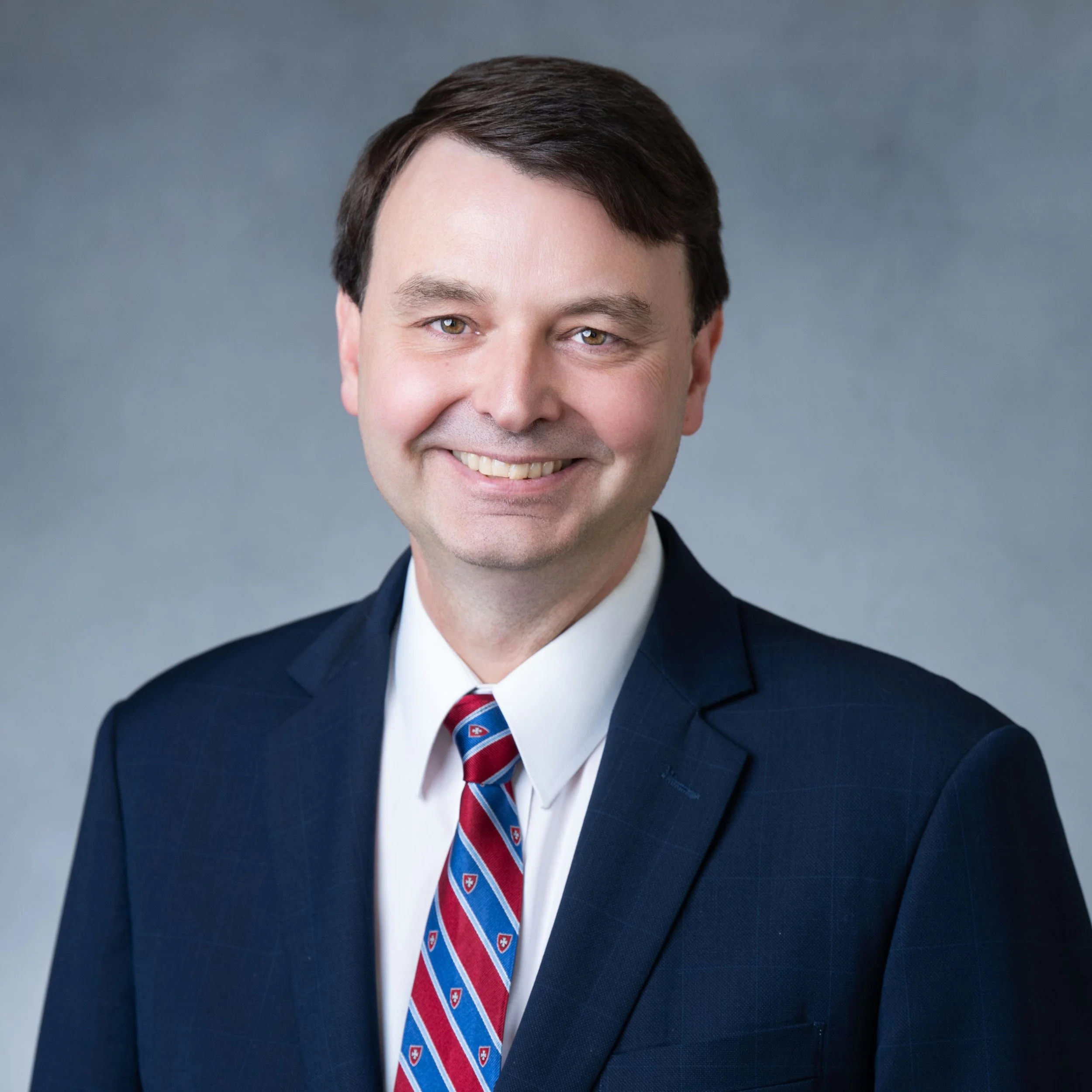
Joseph Meaney received his PhD in bioethics from the Catholic University of the Sacred Heart in Rome. His doctoral program was founded by the late Elio Cardinal Sgreccia and linked to the medical school and Gemelli teaching hospital. His dissertation topic was Conscience and Health Care: A Bioethical Analysis. Dr. Meaney earned his master’s in Latin American studies, focusing on health care in Guatemala, from the University of Texas at Austin. He graduated from the University of Dallas with a BA in history and a concentration in international studies. The Benedict XVI Catholic University in Trujillo, Peru, awarded Dr. Meaney an honorary visiting professorship. The University of Dallas bestowed on him an honorary doctorate in Humane Letters in 2022.