

Our History

In 1971, Catholic Church officials and health care professionals were expressing concern about how they could respond in an ethically appropriate and informed manner to developments in the medical field.
The Catholic Health Association of the United States (“CHA,”), then known as the Catholic Hospital Association, initiated a series of discussions with Church leaders, Catholic health care professionals, and representatives of the scientific and academic communities. They reflected on the importance of Catholic moral teaching as applied to biomedical issues emerging from advances in medicine, medical technology, the life sciences, and civil law. Their goal was to develop a means to adequately analyze developments and provide information and education so that they and other interested parties would be able to respond effectively and quickly to these developments in a way that would be faithful to the magisterial teaching of the Church and the Catholic moral tradition.
The result of these discussions was the establishment of the Pope John XXIII Medical-Moral Research and Education Center (“Pope John Center”), later renamed The National Catholic Bioethics Center (“NCBC”).
In 1972, the Pope John Center was chartered as a not-for-profit corporation in St. Louis, Missouri, with the assistance of the CHA and His Eminence John Cardinal Carberry. Father Albert Moraczewski, OP, a theologian and scientist in the field of pharmacology, was appointed as the first president.
The Pope John Center started its work by conducting a number of research projects and providing consultation services to those seeking ethical guidance in accordance with Church teaching, including bishops, hospitals and professionals.
In 1976, the Pope John Center began publication of a monthly commentary to keep health care professionals and other concerned individuals abreast of current trends in bioethics from a Catholic perspective. The commentary, entitled Ethics & Medics, also proved to be useful to priests and others providing moral counseling with information on the broad range of emerging health care issues with which they were regularly confronted. Ethics & Medics has addressed a remarkable variety of medical-moral issues since its inception and now enjoys wide distribution to many bishops and clergy, medical professionals and other interested individuals.
In 1979, in order to respond to the rising needs of a distinctly pastoral audience, a Diocesan Association Program was inaugurated under the leadership of the second President of the Pope John Center, the Reverend William M. Gallagher, a priest of the Diocese of Providence. With untiring zeal, Father Gallagher traveled across the country enlisting bishops as members of the Pope John Center by demonstrating that the Center could be of great service to them and to the entire Church. Today, scores of dioceses benefit from their affiliation with the NCBC.
In 1980, with the support of the Knights of Columbus, the Pope John Center held its first medical-moral Workshop for Bishops in Dallas, Texas. These workshops continue today, with bishops gathering every two years in Dallas to review, address, and reflect upon pressing issues and developments in the area of medical morality. The bishops come from the United States, Canada, Mexico, Central America, the Caribbean, the Philippines, and sometimes beyond.
In 1985, the Pope John Center relocated its national offices to Braintree, Massachusetts, in the Archdiocese of Boston. The Center continued to expand its activities under the leadership of its third President, Monsignor Roy M. Klister, of the Diocese of Green Bay. It became the largest publisher of Catholic texts on medical morality in the country. In 1988, the Pope John Center initiated an Internship Program that provided men and women with an appreciation for and understanding of health care in the Catholic tradition.
In 1992, the Director of Education, the Reverend Russell E. Smith of the Diocese of Richmond, became the fourth President of the Pope John Center, overseeing such significant projects as a Task Force on Fetal Tissue Research.
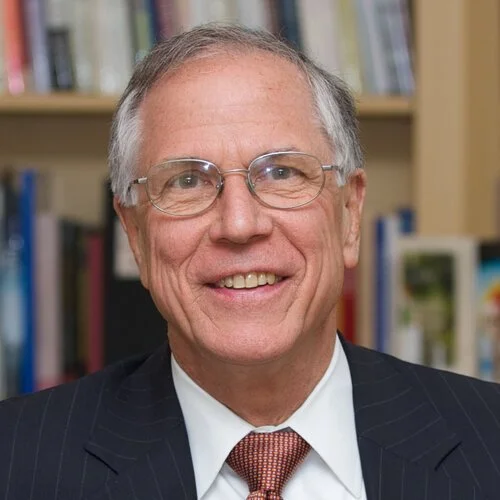
Dr. John M. Haas, Fifth President of the NCBC
In 1996, Dr. John M. Haas, who was the John Cardinal Krol Professor of Moral Theology at Saint Charles Borromeo Seminary in Philadelphia, became the fifth President of the Pope John Center. In October 1997, the Center relocated its offices to the campus of St. Elizabeth's Medical Center, Boston, a teaching hospital of the Tufts University School of Medicine and headquarters of Caritas Christi, a Catholic health care system.
In 1998, in order to more clearly reflect the its mission and identity as a national organization, the Pope John Center changed its name to The National Catholic Bioethics Center.
Shortly thereafter, in the year 2000, the NCBC began publication of the award-winning National Catholic Bioethics Quarterly, a scholarly journal committed to remain in the forefront of bioethical thought from a Roman Catholic perspective.
In 2004, the NCBC moved its offices to Philadelphia in order to be closer to the policy centers of New York and Washington, D.C., and the rich religious and academic communities of the mid-Atlantic region.
In 2005, the NCBC launched its National Catholic Bioethics Certification Program, a remote instructional course incorporating on-site seminars, teleconferencing, weekly internet assignments, and research papers. The Certification Program is directed at health care professionals, attorneys, researchers, clinicians, educators, clergy, and interested lay persons.
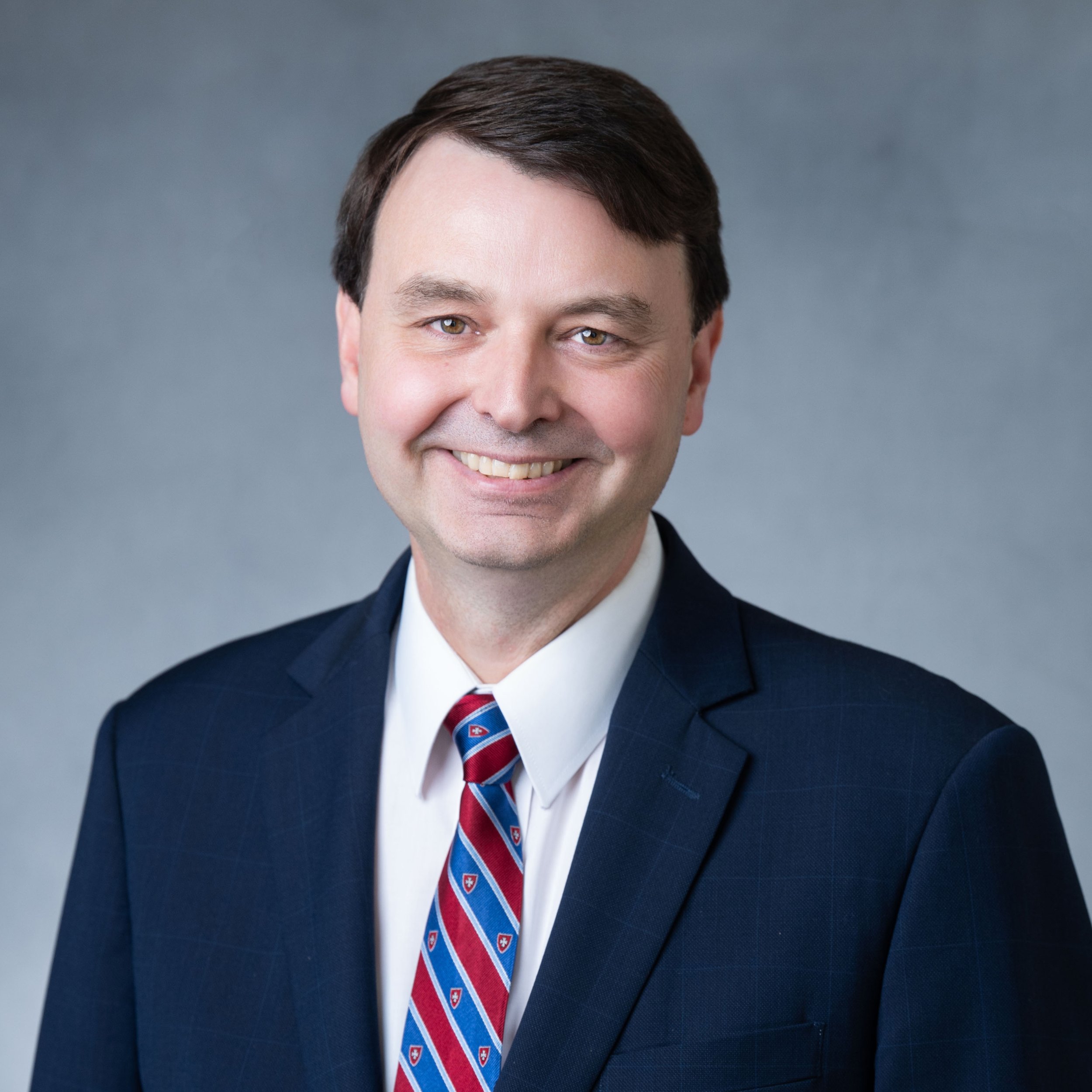
Dr. Joseph Meaney, Sixth President of the NCBC
In 2019, Dr. Joseph Meaney became the sixth President of the NCBC. He brought the NCBC’s prominent voice and exceptional work to the forefront during the COVID-19 pandemic and presided over the celebration of its 50th anniversary celebration in 2022. The NCBC increased its impact during his term in several notable ways, including through a greater media presence and a diocesan parish partnership program.
In January 2022, the NCBC relocated to Broomall, Pennsylvania, just outside Philadelphia. Later that year, the NCBC systematized and grew its longstanding personal ethics consultation service through a Personal Consultations Department with a Fellows and Interns Program to provide training and mentorship in handling real cases. Today, the service regularly fields between 1400-1800 consultations every year from around the United States and other areas of the world, including from clergy, health care professionals, and everyday Catholics seeking reliable moral guidance in health care decisions and biomedical research.
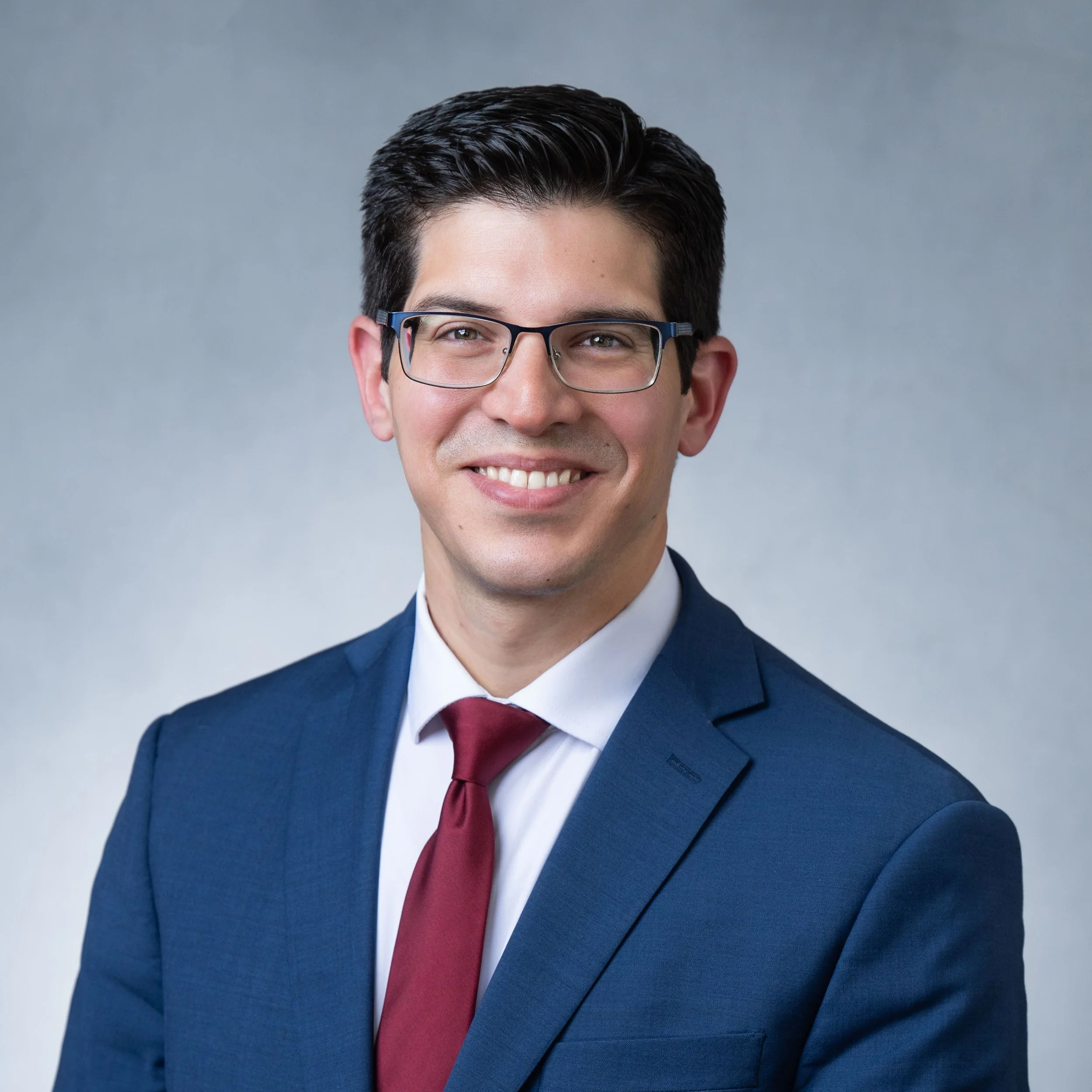
Dr. John A. Di Camillo, Seventh President of the NCBC
On January 1, 2025, Dr. John A. Di Camillo, who was the first Personal Consultations Director for the NCBC, became its seventh President.