
Cody F. Feikles, MA, MTS, HEC-C
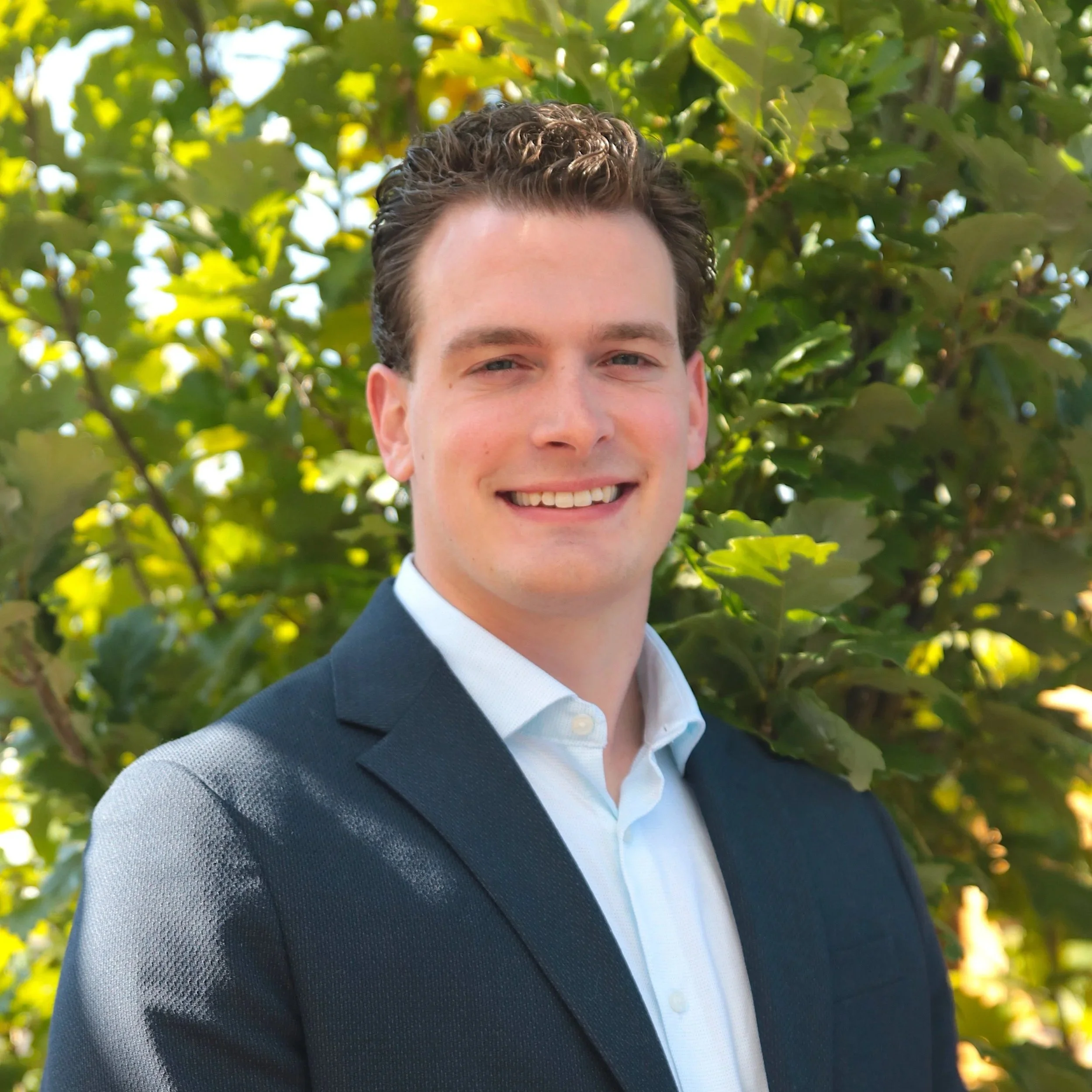
Ethics Consultant | 2025 - Present
cfeikles@ncbcenter.org
Cody works for OSF Healthcare as an Assistant Professor of Ethics at Saint Francis Medical Center College of Nursing and a clinical ethicist for OSF's Healthcare ministry. Cody is also the Managing Editor for the academic journal Theoretical Medicine and Bioethics at Georgetown University's Kennedy Institute of Ethics. Prior to his work as an ethics consultant for NCBC (2025-Present), Cody worked with NCBC as a Fellow (2024-2025) and an Intern (2023-2024). Prior to his work at OSF, Cody served as the Regional Director of Ethics for Christus Spohn Health System, where he conducted clinical ethics consultation and committee work, delivered clinical ethics education to a wide array of clinicians, developed ethics policy, and designed ongoing structures for clinical ethics process improvement.
Cody is completing his PhD in bioethics with the Ateneo Pontificio Regina Apostolorum in Rome and is scheduled to defend his dissertation in December 2026. His doctoral dissertation is titled Addressing the Malaise of Medical Decisional Capacity: A Teleological Analysis. Cody also holds a master's degree in Catholic clinical ethics from Georgetown University / The Catholic University of America, a master's degree in theological studies from Boston College, and a bachelor's degree in theology from Gannon University. Cody is also certified as a Healthcare Ethics Consultant (HEC-C) by the American Society for Bioethics and Humanities.
Cody's most recent publications engage the current controversies around brain death, organ donation, and informed consent, as well as emerging biotechnologies related to brain organoids and AI. In general, Cody is interested in demonstrating how the Catholic moral tradition anchors the work of clinical bioethics in the Christian commitment to caring for the poorest and most vulnerable cast aside by society due to vulnerability, illness, and/or disability. In particular, Cody is interested in advocacy for those who are, as his doctoral work focuses on, "decisionally vulnerable": i.e., those who are on the margins of "autonomy" and who require particular moral support to make good decisions (e.g., patients who are suspected of lacking decisional capacity, patients and families navigating the complex decision-making process around organ donation, or nurses who wish to practice conscientiously while respecting the dignity of their patients and the moral integrity of their profession).